 Event Starts in:
Hurry Up!
Add to Calendar
09/03/2026 9:00 AM
09/04/2026 7:00 PM
GMT
DigiMarCon Dublin 2026 - Digital Marketing, Media and Advertising Conference
DigiMarCon Dublin 2026 is your chance to ...
- Hear from the most audacious and provocative speakers in the digital marketing industry.
- Gain insight into emerging strategies, the latest innovative technologies, and best practices.
- Network with thought leaders, build your network and collaborate with your peers.
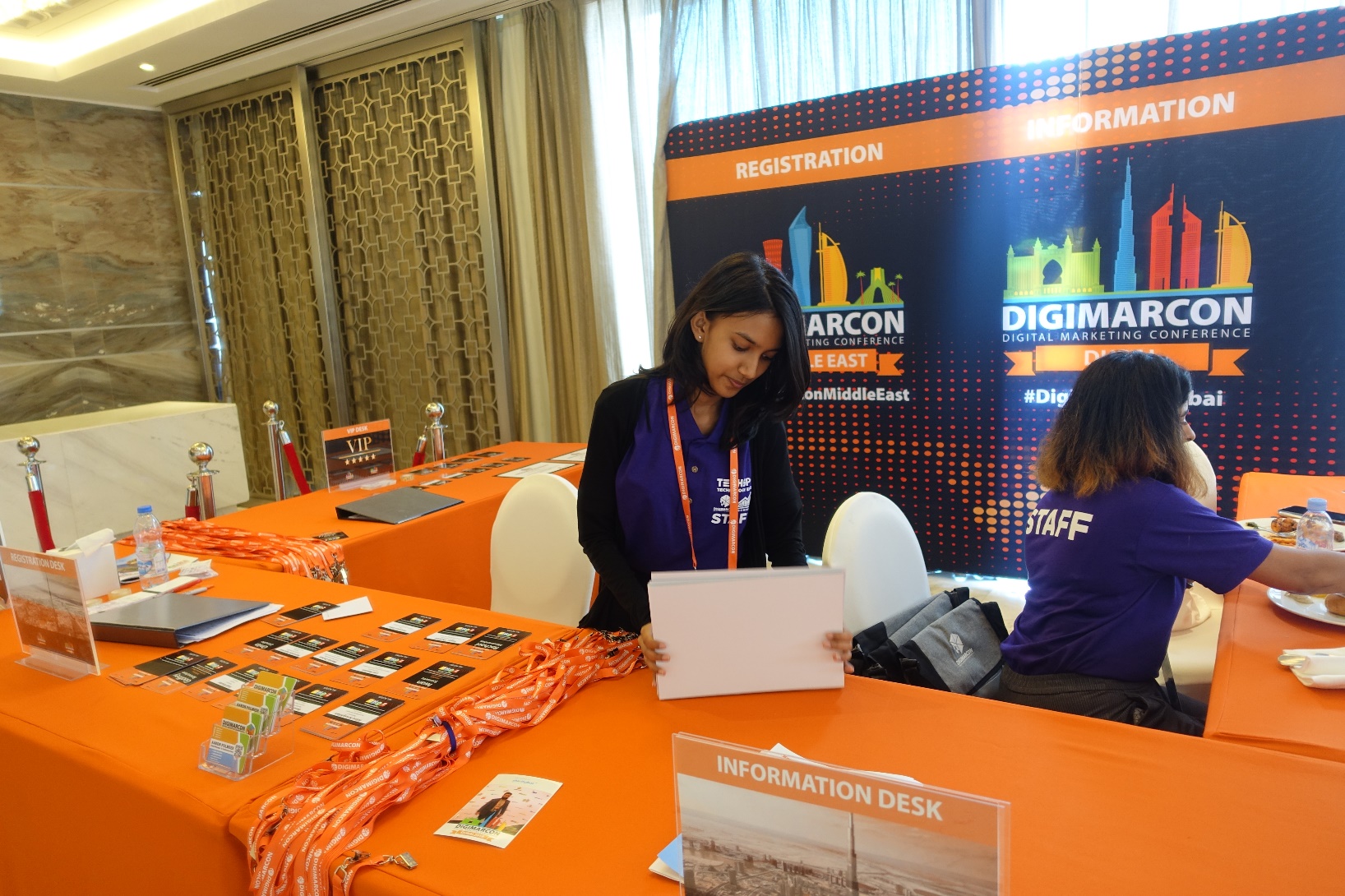
DigiMarCon Dublin 2026 Digital Marketing, Media and Advertising Conference will be held from September 3rd to 4th, 2026 at the luxurious InterContinental London Park Lane Hotel which is connected directly to Terminal 5 of London Heathrow Airport, making it conveniently accessible. Whether your goal is to reinforce customer loyalty, improve lead generation, increase sales, or drive stronger consumer engagement, the DigiMarCon Dublin 2026 program has been specifically designed to help attendees develop their audience.
Immerse yourself in topics such as digital strategy, programmatic advertising, web experience management, usability / design, mobile marketing & retargeting, customer engagement, user acquisition, social media marketing, targeting & optimization, video marketing, data science & big data, web analytics & A/B testing, email marketing, content marketing, conversion rate optimization, search engine optimization, paid search marketing, geo-targeting, predictive analysis & attribution, growth hacking, conversion rate optimization, growth marketing tools, marketing & sales automation, sustainable growth strategies, product marketing & UX / UI and much, much more!
DigiMarCon Dublin 2026 offers all of the elements you need to achieve digital marketing success! Conventional thought will be challenged, new ways of thinking will emerge, and you will leave with your head and notebook full of action items and ideas to lead your agency / team / account to even greater success.
Come to DigiMarCon Dublin 2026 and discover how to thrive as a marketer in a world where everything is digital.
Take advantage of our super saver registration rates and secure your seat early.
For more details visit https://digimarconireland.ie.
InterContinental London Park Lane Hotel, Terminal 5 London Heathrow Airport, Wallis Rd, London, UK



Posts Tagged "esports"
What Attendees Are Saying
DigiMarCon was an excellent opportunity to broaden my strategic thinking. The discussions on digital transformation in marketing really got me thinking about the future of our brand. This is definitely a conference for marketing leaders looking to stay ahead.
George N.
VP, Strategic Mktg
The networking events at DigiMarCon exceeded my expectations. The luncheons were such a great place to sit down, enjoy a meal, and engage in meaningful conversations with fellow marketers.
Katherine Y.
Sr Dir, Int Campaigns
The breadth of exhibitors at DigiMarCon was impressive! The variety of MarTech tools on display was staggering, from data analytics platforms to SaaS products that simplify campaign management.
Trevor S.
Dir, Enterprise Digital Mktg
DigiMarCon’s Exhibition Hall was a goldmine for anyone involved in digital marketing. The exhibitors brought their A-game, and I found several MarTech and SaaS providers whose tools are now integral to my e-commerce business.
Chris D.
Sr Dir, Product Mktg
This was my first DigiMarCon experience, and I was so impressed. The session on programmatic advertising was a highlight for me, offering fresh insights I hadn’t considered before.
Jason B.
VP, Go-To-Market Mktg
As a social media manager, I’m constantly looking for new ways to engage audiences, and DigiMarCon delivered on all fronts. The sessions on social algorithms, content curation, and influencer marketing were pure gold.
Vanessa C.
Dir, Brand and Creative
DigiMarCon was hands down the best marketing conference I’ve attended. As a growth hacker, I’m always looking for innovative strategies to scale, and the speakers didn’t disappoint. — Matt C., Growth Marketer.
Kevin O.
SVP, Mktg and Growth
I left DigiMarCon’s Exhibition Hall feeling incredibly inspired. The SaaS platforms and AdTech tools exhibited were cutting-edge. I was particularly impressed with an AI-powered PPC management tool that promises to optimize our ad spend.
Maya O.
VP, Mktg
DigiMarCon’s exhibitors were nothing short of fantastic! The SaaS providers were offering tools that will enhance our customer experience efforts in ways I hadn’t even thought of. It was such a valuable experience!
Daniel R.
Sr Dir, Digital Mktg
DigiMarCon was all-around fantastic! I was particularly impressed with the sessions on CRM strategies and how to better personalize communications. I left with actionable insights that will help me improve our customer relationship management approach.
Jason W.
Sr Mktg Ops Mgr
As an academic who teaches digital marketing, I was blown away by the breadth and depth of the content at DigiMarCon. I also appreciated the focus on real-world applications.
Anthony R.
VP, Growth Mktg
From app optimization to push notifications, the mobile marketing insights at DigiMarCon were fantastic. The sessions covered everything I needed to enhance our mobile marketing strategy, and I’m excited to put what I learned into practice.
Kylie S.
VP, E-comm Mktg
DigiMarCon exceeded my expectations in every way. The sessions were packed with insights, especially around data analytics and measuring ROI, which is my area of expertise. I made several meaningful connections during the networking breaks, and the exhibitors were top-tier.
Caleb J.
Dir, Growth Mktg
DigiMarCon truly delivered. The balance of theory and hands-on tactics made this conference a standout for me. The sessions were insightful, especially around lead generation and data analytics, which are crucial to my consulting practice.
Aisha J.
Dir, Brand Partnerships
DigiMarCon was the perfect fit for someone like me who focuses on BB marketing. The speaker who discussed account-based marketing really resonated with me. I learned so much about targeting and segmenting audiences in a way that maximizes ROI.
Ryan W.
Dir, Growth and Retention
DigiMarCon’s focus on networking was a game-changer for me. At other conferences, networking events can feel like an afterthought, but here, it was the centerpiece. I couldn’t recommend this conference more for those looking to grow their professional circle.
Josh R.
Head of Lifecycle
The quality of exhibitors at DigiMarCon was top-tier. I had great conversations with SaaS providers offering new ways to enhance data analytics. This exhibition was a must-see for anyone serious about digital marketing.
Ben E.
Head of MarTech
DigiMarCon provided a fresh take on public relations in the digital age. I found the sessions incredibly insightful, particularly those dealing with crisis management and media outreach in the age of social media.
Eric P.
Dir, Paid Search and Media
As a brand strategist, I always look for conferences that inspire me to think differently, and DigiMarCon hit the mark. The keynote on customer experience blew me away—it offered a fresh perspective on how to approach brand loyalty.
Deborah L.
Sr Dir, Mktg Comms
Attending DigiMarCon was one of the best professional decisions I’ve made this year. The sessions covered everything from the latest in analytics to cutting-edge social media strategies. It was truly a well-rounded conference experience.
Camille N.
Sr Dir, Global Mktg
Branding is my passion, and DigiMarCon was the ideal event to learn how digital trends are shaping the future of branding. The workshops on building brand loyalty, storytelling, and creating emotional connections with customers were phenomenal.
Colin B.
Head of Acquisition
The Exhibitors Hall at DigiMarCon was nothing short of spectacular! The MarTech and AdTech solutions were diverse and innovative. One of the SaaS platforms I came across offered robust customer journey analytics, and it’s already proving essential to our strategy.
Hannah I.
Head of Experiential
Mobile marketing is my specialty, and DigiMarCon offered a wealth of insights into this ever-growing space. The sessions on app engagement and mobile-first design were invaluable, offering practical advice I’ve already started implementing.
Simon H.
Dir, GTM Mktg
DigiMarCon hit the mark for SEO professionals like myself! The session on the future of search algorithms blew my mind, and the data shared was extremely valuable. Truly an invaluable experience for anyone looking to sharpen their SEO skills.
Derek B.
VP, Demand and Pipeline
This was my fifth DigiMarCon, and I have to say, it just keeps getting better. Every year, the event seems to outdo itself with more cutting-edge content and bigger names in the industry.
Mei Y.
Dir, Intl Mktg
DigiMarCon was, hands down, the best conference I’ve attended in my 5-year marketing career. As an email marketing strategist, I often find conferences too general, but DigiMarCon hit the sweet spot.
Grace H.
Sr Dir, Brand Experience
DigiMarCon was a creative’s dream! I attended sessions specifically focused on visual content strategy, and they blew my mind. The speakers brought so much expertise to the table—especially in terms of emerging platforms like Pinterest and Instagram Reels.
Fatima L.
Head of Demand Mktg
The focus on video marketing at DigiMarCon was just what I needed! The sessions covered everything from optimizing YouTube ads to creating effective video funnels. I now feel confident in crafting more engaging video content for my campaigns.
Sara D.
Head of Digital CX
The networking events at DigiMarCon were simply phenomenal! The luncheons provided the perfect mix of casual dining and professional discussions. I’ve already followed up with several contacts, and I’m confident these relationships will be long-lasting.
Sophia G.
Sr Dir, Community
The vibe during the cocktail reception was electric. I’ve attended conferences where networking feels forced, but at DigiMarCon, it was organic. Everyone was approachable and easy to talk to, even during the more relaxed settings like lunch or cocktails.
Elena S.
Head of Content and SEO
I’ve been to many conferences, but DigiMarCon’s approach to networking stood out for me. The luncheons were well-structured and encouraged interaction in a comfortable environment. If you want a conference that prioritizes real connections, this is it.
Ravi D.
Dir, Product Mktg
I was blown away by the exhibitors in the DigiMarCon hall. I’ve attended many conferences, but the array of AdTech and MarTech solutions here was next-level. I particularly enjoyed discovering new SaaS platforms that integrated seamlessly with social media tools.
Marcus F.
VP, Mktg Comms
The exhibitors at DigiMarCon were exactly what I was hoping for. The selection of tools, especially in AdTech and SaaS, was truly phenomenal. This was easily one of the most insightful exhibits I’ve attended in years!
Linda R.
VP, Corp Mktg
As someone focused on mobile marketing, the exhibitors at DigiMarCon were spot-on! The Mobile technology booths offered innovative solutions to improve user engagement and streamline campaign delivery. This was exactly what I needed!
Lauren B.
Dir, Integrated Mktg
DigiMarCon exceeded my expectations, especially in terms of networking. I came with the goal of making a few new connections but left with more than a dozen valuable contacts.
Elena G.
Head of Global Campaigns
The exhibitors at DigiMarCon were top-notch! I particularly enjoyed the diversity of SaaS and MarTech platforms on display. I’ll definitely be incorporating these tools in our upcoming projects.
Paul A.
Exec Dir, Mktg Innovation
DigiMarCon was an outstanding experience for someone at the executive level. The discussions around the future of digital marketing were exactly what I needed to guide our company’s strategy moving forward.
Ethan S.
Head of Rev Mktg
From start to finish, DigiMarCon was a class act. I specialize in PPC and display advertising, and this conference gave me everything I needed to stay ahead of the curve.
Alicia P.
Head of Product Mktg
Attending DigiMarCon was the highlight of my year! As a digital marketing newbie, I wasn’t sure what to expect, but it turned out to be so much more than I imagined.
Carlos M.
Head of Performance Mktg
I came to DigiMarCon to sharpen my influencer marketing skills, and it didn’t disappoint! The influencer panels gave me fresh ideas and a clearer understanding of emerging trends.
Robert H.
VP, Performance Mktg
As someone deeply involved in affiliate marketing, DigiMarCon was a revelation. The sessions were focused and relevant, with actionable advice that I could implement immediately. I particularly enjoyed the discussion on influencer partnerships—something I hadn’t considered before for my campaigns.
Brian T.
Sr Dir, Mktg Strategy
I’ve attended a few marketing conferences before, but DigiMarCon stands out by a mile. As an e-commerce entrepreneur, I found the talks on conversion rate optimization, email marketing, and user experience especially helpful.
Olivia S.
Global Head, Customer Mktg
Being a freelance marketer can feel isolating, but DigiMarCon was the perfect way to connect with others in the industry. This conference is a must for anyone working in the gig economy!
Clara H.
Sr Dir, Global Brand
I was really impressed with the AdTech exhibitors at DigiMarCon! They showcased some advanced programmatic tools that are already improving the way we approach targeted advertising. The event was a game-changer for our team!
Michael T.
VP, Demand Gen
This was my first time attending DigiMarCon, and I couldn’t be more thrilled with the experience! The workshops on storytelling and content creation were right up my alley, and I’ve already started using some of the tips I learned.
Priya K.
VP, Global Brand and Comms
DigiMarCon’s exhibitors didn’t disappoint! As a UX designer, I was on the lookout for SaaS and Mobile solutions that enhance user experience, and I found exactly that. The mobile technology providers showcased advanced tools to create seamless cross-device experiences.
Harold T.
Head of Mktg Intelligence
DigiMarCon was worth every minute. The speakers had great content, and the sessions on marketing automation were incredibly detailed. I’ve already implemented some of the advanced automation workflows into my campaigns.
Rachel V.
Dir, Lifecycle Mktg
I work in nonprofit marketing, and DigiMarCon gave me so many fresh ideas on how to create more impact with our campaigns. The sessions on low-budget marketing strategies, community engagement, and donor retention were just what I needed.
Paula C.
VP, Integrated Mktg
DigiMarCon felt like a mastermind for content marketers! I’ve attended many conferences, but this one stands out because of its perfect blend of innovation and practicality. The speakers were not only thought leaders but real practitioners.
Danielle V.
Head of Community
Loved every minute of DigiMarCon! The performance marketing track was full of cutting-edge tips and actionable advice. I’m excited to take what I learned and start implementing it immediately!
Scott H.
VP, Mktg Strategy
Attending DigiMarCon was like taking a masterclass in digital copywriting. The sessions on persuasive writing and user experience in copy were incredible. I’ve already started refining my approach, and I feel more confident about tackling upcoming projects.
David U.
Sr Dir, Enterprise Mktg
The networking at DigiMarCon was truly a highlight. The luncheons were so well thought out—it wasn’t just about grabbing food, but really connecting with the people around you.
Brian T.
VP, Mktg Strategy
DigiMarCon has set the bar high for marketing conferences. As a PPC specialist, I found the sessions on paid media, Google Ads, and remarketing to be incredibly valuable.
Amelia B.
Dir, CRM and Engagement
The DigiMarCon exhibitors truly stood out in terms of innovation and relevance. I was particularly excited by a few SaaS technology providers who presented platforms that will completely revamp how we manage customer data.
Yvonne T.
Head of Mktg Partnerships
I had a fantastic experience at the DigiMarCon Exhibition Hall! The AdTech exhibitors really caught my eye with their innovations in targeting and programmatic advertising. I discovered several tools that will dramatically improve our ad performance.
Natalie P.
Dir, Mktg Analytics
As someone who lives and breathes video marketing, I can confidently say DigiMarCon delivered above and beyond. The sessions on video strategy were deeply insightful and gave me ideas I hadn’t considered before.
Mark T.
VP, Channel and Partner Mktg
I can’t praise the networking opportunities at DigiMarCon enough. The luncheons were an ideal environment to meet like-minded professionals. I ended up in deep conversation with a social media manager who offered great insights into a campaign I’m working on.
Lindsey W.
Dir, Mktg Programs
I loved the blend of digital marketing and PR at DigiMarCon. The session on integrating PR into a digital marketing strategy was exactly what I needed.
Melissa J.
Head of Event Mktg
The networking opportunities at DigiMarCon were exactly what I was hoping for! The luncheons felt natural, and I ended up sharing a table with a group of professionals who are now solid contacts in my network.
Andrew Z.
VP, GTM Strategy
DigiMarCon offered exactly what I needed—a deep dive into branding in the digital age. The discussions on building a cohesive brand presence across platforms were extremely insightful.
James K.
Dir, Paid Media
I wasn’t sure if DigiMarCon would offer much for someone in UX/UI design, but I was pleasantly surprised. The sessions on user experience and the role of design in marketing conversions were incredible.
Victor L.
VP, Mktg
From the moment I walked into DigiMarCon, I could feel the energy. I’m focused on e-commerce marketing, and the sessions were exactly what I needed. I especially enjoyed the deep dive into conversion optimization and mobile-first strategies.
Nina K.
VP, Brand and CX
I’ve been attending digital marketing conferences for over a decade, and DigiMarCon stands out from the crowd! The level of expertise presented by the speakers blew me away.
Phil D.
Sr Dir, Growth Strategy
I’ve been managing PPC campaigns for years, but the insights from DigiMarCon’s paid search speakers were game-changing! Loved every minute of it and can’t wait to apply what I learned.
Pooja R.
Dir, Campaign Strategy
DigiMarCon’s networking luncheons were a game-changer for me. I’ve been to conferences where networking feels rushed or forced, but here, the atmosphere was relaxed and engaging. I’ve already connected with a couple of people to discuss potential partnerships.
Joanne K.
Head of Mktg
I was genuinely impressed with the range of exhibitors at DigiMarCon. The SaaS email automation tools were exactly what I was looking for, offering sophisticated segmentation options and improved analytics.
Omar S.
VP, Growth and Retention
As a data analyst, I found the sessions on digital analytics to be extremely valuable. The speakers provided a deep dive into data interpretation and how to effectively use analytics to inform marketing decisions.
Alison C.
Head of Brand Mktg
What I love about DigiMarCon is how they perfectly balance high-level strategy with hands-on master-classes. I’ve attended other events that feel like a sales pitch, but here, the content was the star.
Aaron M.
VP, Growth Mktg
Artificial intelligence is transforming marketing, and DigiMarCon was the perfect place to learn about it. The sessions on AI-driven marketing automation, predictive analytics, and chatbot development were fascinating.
Adam K.
Dir, Growth Ops
DigiMarCon is a must for anyone running a startup! I walked in with lots of questions, and left with more clarity than I could have hoped for. The best part?
Peter N.
Sr Dir, Mktg Ops
I went into DigiMarCon with high expectations, and they were exceeded at every turn. The sessions on growth hacking were spot on, filled with real-world examples and tactics I could apply right away.
Irene Z.
Dir, Global Social
I specialize in content marketing, and DigiMarCon was the perfect place to sharpen my skills. The sessions on long-form content, blog strategy, and video marketing were exactly what I needed to stay ahead of the curve.
Michelle S.
Sr Dir, Comms
For an SEO nerd like me, DigiMarCon was a dream come true. The conference featured some of the most respected names in the SEO world, and their insights were priceless.
Julian P.
Dir, B2B Content
The DigiMarCon conference exceeded my expectations! The sessions on content strategy were top-notch, and I came away with actionable insights that I can implement immediately. I particularly enjoyed the panel on AI integration into content marketing—eye-opening!
Wesley P.
Dir, Mktg Performance
The Exhibitors Hall at DigiMarCon was truly eye-opening! The MarTech exhibitors were offering tools I hadn’t even considered for our brand strategy. I walked away with new ideas and collaborations that will drive our growth.
Ava L.
Head of Community Mktg
The networking opportunities at DigiMarCon are second to none. I made more meaningful connections during the luncheons and cocktail receptions than I’ve made at some other conferences combined!
Chris Y.
Sr Dir, Digital Experience
I can’t say enough good things about DigiMarCon! The e-commerce track was incredibly detailed, and I walked away with actionable strategies to improve our online sales funnel. This was time well spent.
Tara E.
Head of Mktg Insights
DigiMarCon was a fantastic experience from start to finish. The sessions on SEM were incredibly detailed, providing advanced strategies that I hadn’t considered before. I also appreciated the opportunity to chat with exhibitors showcasing the latest tools in PPC.
Fiona L.
Head of Content and SEO
The affiliate marketing strategies discussed at DigiMarCon were so relevant and applicable. I especially enjoyed learning about new performance models and how to track affiliates more effectively. This conference was filled with valuable insights!
Tony F.
Dir, Mktg Automation
DigiMarCon’s networking events were perfect for someone like me who’s always looking to make real, valuable connections. The luncheons were set up in a way that facilitated conversation, and it never felt awkward or forced.
Imogen L.
Head of Brand
From start to finish, DigiMarCon was a fantastic experience! I’ve attended a lot of digital marketing conferences, but the depth of the sessions here was next level. The networking opportunities were also top-tier—connected with some amazing people in the industry.
Leila F.
Dir, Brand Mktg
DigiMarCon exceeded all my expectations! As a creative director, I found the focus on digital storytelling particularly valuable. The sessions on content creation and branding gave me fresh perspectives that I’m eager to apply to our campaigns.
Emily N.
Head of Content
The luncheons and cocktail receptions at DigiMarCon were pivotal to my experience. I was able to meet key industry figures who I’d never have the chance to speak with otherwise.
Samantha L.
Head of Growth
If you’re in conversion optimization, DigiMarCon is a must-attend! I came away with pages of notes on improving landing pages and optimizing user flows.
Renee F.
Sr Dir, Mktg Ops
I was a bit nervous about networking, but the atmosphere at DigiMarCon’s luncheons and cocktail receptions made it so easy. The cocktail reception was such a fun, low-pressure way to continue making connections.
Naomi K.
VP, Customer Lifecycle
As a data-driven marketer, DigiMarCon was a goldmine. The analytics sessions were packed with insights on leveraging data more effectively in campaigns. I particularly loved the session on attribution models—it really helped clarify some gray areas I’ve been struggling with.
Anita M.
Dir, Digital Mktg
The exhibitors at DigiMarCon exceeded my expectations. From mobile app providers to cutting-edge SaaS platforms, I felt like I was seeing the future of digital marketing technology.
Zoe E.
Dir, Social Commerce
DigiMarCon was an absolute game-changer for me as a video content creator. The sessions on video marketing, live streaming, and video SEO were exactly what I needed to elevate my business.
Brandon D.
Sr Dir, Growth
As a social media specialist, staying up-to-date is essential, and DigiMarCon delivered beyond my expectations. The sessions on TikTok marketing and social commerce were enlightening, offering both strategy and creative tactics.
Greg W.
Dir, Enterprise Field Mktg
I attended DigiMarCon with high hopes, and it didn’t disappoint! As a marketing director for a large company, I need to stay on top of the latest trends, and this conference delivered.
Monica T.
Sr Dir, Brand Strategy
As a creative director, DigiMarCon gave me an entirely new perspective on how creativity intersects with digital marketing. The session on immersive experiences was a highlight, offering ideas for blending art and marketing.
Jonathan F.
Head of Mktg Strategy
As someone who’s been in digital marketing for over a decade, I was skeptical about attending yet another conference. However, DigiMarCon shattered my expectations. The depth of knowledge shared on data-driven marketing, AI integration, and content strategy was truly unparalleled.
Matt O.
VP, Mktg and Comms
DigiMarCon was a game-changer for me as a CRO specialist. The depth of knowledge shared in the sessions was outstanding, particularly the talks on A/B testing and behavioral analytics.
Jasmine R.
Dir, Content
As a CMO, I’m always looking for events that can provide both strategic insights and actionable tactics, and DigiMarCon did not disappoint. The keynote speakers were truly world-class, offering high-level perspectives on where digital marketing is headed.
Sean V.
Sr Dir, Digital Strategy
DigiMarCon’s Exhibition Hall was packed with insights. The exhibitors were showcasing the latest in AdTech and SaaS solutions, and I found a tool that will drastically improve our performance tracking.
Tom C.
Head of B2B Mktg
The Exhibitors Hall at DigiMarCon was absolutely brimming with cutting-edge technology. The MarTech solutions were incredibly innovative and tailored to real-world challenges.
Luke H.
VP, Growth Mktg
What a fantastic conference! The social media workshops were dynamic and interactive. I learned so much about how to optimize Instagram for business and got great tips on using TikTok.
Chloe M.
Dir, Mktg Programs
The range of exhibitors at DigiMarCon blew me away. The hall was a one-stop shop for everything a digital marketer needs to succeed—from advanced automation tools to emerging SaaS platforms.
Daniel C.
Dir, Field and Event Mktg
I own a digital marketing agency, and DigiMarCon has become a yearly pilgrimage for my team and me. The quality of the sessions is second to none, and the level of expertise in the room is truly inspiring.
Alex M.
Agency Partner
DigiMarCon provided exactly what I was looking for—practical, data-driven insights into growth marketing. The session on customer retention was particularly eye-opening. I’m leaving the conference with concrete steps to improve our retention strategy and scale our growth.
Noah P.
Sr Mgr, Demand Gen
As an analytics consultant, I’ve attended many conferences, but DigiMarCon stands out for its focus on actionable data strategies. The talks on advanced analytics, data visualization, and predictive modeling were incredibly insightful.
Bethany R.
Sr Dir, Corp Mktg
DigiMarCon was a breath of fresh air for anyone in marketing automation. The sessions were a goldmine of insights, especially the talk on predictive analytics and customer journey mapping.
Evan M.
Sr Dir, Growth Mktg
I was blown away by the insights shared during the email marketing track. The sessions on automation were filled with innovative strategies, and I appreciated the level of detail each speaker brought.
Isabella Q.
Dir, Influencer Mktg
I was blown away by the authenticity of the networking opportunities at DigiMarCon. The luncheons weren’t just about eating; they were curated experiences where you could easily strike up a meaningful conversation with fellow professionals.
Nick A.
Sr Dir, Customer Acquisition
I attend a lot of conferences, but the networking opportunities at DigiMarCon were on another level. I particularly loved the luncheons—informal but so well-organized. Definitely a worthwhile investment in growing my network!
Leo D.
Dir, Product-Led Growth
I didn’t expect the networking at DigiMarCon to be this good. The luncheons and cocktail receptions were the perfect settings to meet fellow professionals in a relaxed yet professional environment.
Martin J.
Dir, Field and ABM Mktg
Influencer marketing is evolving rapidly, and DigiMarCon provided exactly the insights I needed to stay ahead of the game. The speakers were all well-versed in the current trends, and I particularly enjoyed the session on micro-influencers.
Oliver S.
Head of Performance










Guide to When Emma’s Phone Became the Front‑Row Seat
Emma, a 22‑calendar year‑old university student, had without fail watched esports from the living room sofa. One rainy afternoon, her friend invited her to a local gaming café. Emma slipped her phone into her backpack and joined a mobile‑based battle royale stream. Within the first ten minutes she realised the game’s commentary was tighter, the crowd’s reactions more immediate, along with the action more fluid than the lag‑laden PC streams she’d grown used to.
Screen Size vs. Engagement: The Numbers That Matter
The rise of 5G has reduced buffering to under 200 ms for most UK subscribers.
This technical leap means that even high‑frame‑rate esports titles, previously reserved for high‑ending PCs, now stream smoothly on mid‑range phones. As a result, viewers who once relied on public Wi‑Fi hotspots can now watch uninterrupted from a bus or a café.
In-game chat overlays that sync with live commentary have become a staple of mobile esports apps. Players can vote in real span on which segment to replay next, effectively steering the narrative. This participatory element has increased midpoint watch times by 12 % among users aged 18‑24.
Mobile Platforms and the Democratization of Viewership
There is another side to this that deserves attention.
Developers are already experimenting with augmented reality overlays that project player statistics onto the live feed. Early beta tests show a 9 % increase in engagement when users can see real‑hour warmth maps on their screens. For now, esports leagues are negotiating new sponsorship deals that reward mobile viewership metrics, ensuring that advertisers pay for the most active segments of the market.
According to a 2024 market survey, 63 % of UK esports viewers today access content via smartphones. That figure rose from 42 % in 2022. The average session length on mobile platforms is 28 minutes, compared with 21 minutes on desktop. The difference is not just about convenience; it reflects a shift in how audiences consume competitive have fun.
Community Building Through Mobile‑First Features
Two key factors drive this trend:
Social assets connection is another boon. A single tap can share a highlight clip to TikTok or Twitter, immediately amplifying reach. The viral potential of diminutive, mobile‑sociable clips has led to a surge in user‑generated content, further blurring the line between spectator and participant.
Supporters can as well test their luck at online casinos like Fat Bet for a chance to win real money while enjoying their favourite options.
From Screens to Real‑World Events: A Natural Bridge
That said, the transition is not without drawbacks. Mobile screens can distort visual fidelity; a 1080p match on a 5‑inch display compresses details that a 27‑inch monitor would reveal. For hardcore devotees who analyze frame‑by‑frame tactics, this loss can be frustrating. Moreover, the smaller interface limits the total of simultaneous streams a user can view, a function that multi‑screen setups on desktop still dominate.
Looking Ahead: What’s Next for Mobile Esports?
When a local esports tournament announced that its live coverage would be available exclusively on a mobile program, the buzz spread like wildfire. Fans who had at an earlier time watched from the comfort of their homes found themselves attending live events, only to stream back to their phones for the next match. This seamless blend of physical attendance and digital viewing is where the future of esports viewership lies, and it’s all powered by the ubiquity of smartphones.
Understanding the details can significantly improve your overall time.
For those who want to stay ahead, the key is to embrace the mobile experience. It offers immediacy, interactivity, and a broader reach than traditional platforms. As the technology matures, the line between watching along with playing will blur further, making esports a truly immersive pastime for the next generation.
Often Asked Questions
What made the mobile stream more engaging for Emma?
The tighter commentary, instant crowd reactions, and fluid action kept her hooked right from the first ten minutes.
Where did Emma first experience the mobile stream?
She joined a local gaming café and slipped her phone into her backpack for the stream.
How does screen size affect engagement according to the entry?
Smaller screens can offer quicker input loops, dominant to higher engagement than lag‑laden PC streams.
What age band is Emma representative of?
Emma is a 22‑calendar year‑old university student, typical of Gen Z esports fans.
All About Mobile Gaming Is Rewriting the UK Entertainment Playbook
When I first dropped my phone into a coffee storefront queue and opened a recent puzzle app, I didn’t realise I was witnessing a seismic shift. In the past decade, the UK’s entertainment budget has moved from cinemas and live music to the glow of handheld screens. The trend is clear: by 2025, mobile gaming revenue is projected to smack £4.5 billion, eclipsing traditional TV advertising spend.
From Casual to Competitive: The Climb of Esports on the Proceed
With 5G rollout nearing completion, real‑occasion AR experiences are set to become mainstream. Imagine walking through London’s historic streets and seeing virtual characters pop up on your phone, reacting to your movements. Early trials in Manchester’s tech hub have shown a 40% increase in session length when AR features are enabled.
Social Connectivity and Community Edifice
Premium and reliability are key factors that should not be overlooked.
Every £1 spent on in‑application purchases generates an average of £3 in indirect economic activity. Local developers are hiring more designers, marketers, and figures analysts. In 2022, the UK mobile game sector created 12,000 new jobs, a 15% increase over the previous year. Small indie studios in Bristol and Leeds are today funding their first international releases thanks to the global reach of application stores.
Economic Impact Beyond the App Store
By the same token, a little planning goes a protracted way.
What started as a handful of casual match‑making titles has evolved into a full‑blown competitive scene. The UK hosts over 30 regional events each calendar year, with prize pools exceeding £200,000 in tally. Gamers now stream their matches on Twitch, drawing audiences that rival petite concert crowds. The accessibility of mobile devices means that a teenager in Manchester can compete against a pro from Tokyo in real time, all while sipping tea.
Cross‑Platform Storytelling as well as Immersive Experiences
Storylines that once lived only on consoles are currently unfolding across phones. Narrative‑loaded titles such as Genshin Impact as well as Life is Curious: Before the Storm offer cinematic cutscenes that rival TV dramas. Customers can switch between their phone, tablet, plus desktop without losing progress, creating a seamless entertainment ecosystem that blurs the lines between gaming and traditional media.
Bridging the Gap Between Mobile plus Online Entertainment
When I was scrolling through a mobile strategy game, I noticed a pop‑up in the region of a new online gaming platform. It felt like a natural extension of the mobile time, offering live contests as well as community forums. If you’re wondering around how this blend works, you might want to explore spinboss casino for a look at how mobile interfaces can drive engagement in other digital entertainment spaces.
Challenges: Monetisation plus Data Privacy
Mobile options have become social hubs. Games relish Clash Royale and Among Us attribute in‑app chat, guilds, and community events that keep players engaged for months. According to a 2023 survey by the UK Games Fund, 68% of respondents said they joined a latest social group as of a mobile choice. That social capital translates into bona fide‑world friendships and even role opportunities in the tech field.
Future Outlook: Augmented Reality and 5G
Not every aspect is rosy. The aggressive monetisation model of “freemium” games can thrust players toward micro‑transactions that exceed their budgets. In 2021, the UK’s Office of Communications warned that 12% of children under 16 had spent more than £100 on in‑application purchases. Additionally, data privacy concerns have risen as developers collect gameplay metrics to optimise ads, prompting stricter GDPR enforcement.
Conclusion: A Recent Entertainment Paradigm
Mobile gaming is no longer a niche pastime; it’s a cornerstone of the UK’s entertainment landscape. From driving economic growth to reshaping social interactions, its influence is tangible along with growing.
As developers push the envelope with AR plus cross‑platform storytelling, the line between gaming and everyday life will blur even further. For anyone looking to get the days ahead of leisure, the smartphone screen is the best place to start.
Understanding Intro: The Numbers That Spark a Shift
In 2023, mobile esports viewership in the UK jumped from 1.2 million to 1.8 million – a 50 % mount in only twelve months. That surge isn’t merely about more people watching; it’s about players choosing cloud‑based tournaments over traditional LAN events. Why? The answer lies in accessibility, price, and the way the cloud is reshaping competition.
Instant Access Without the Travel
Entry fees are also lower. A £10 buy‑in in a cloud event is often cheaper than a £25 charge for a local tournament that includes a venue rental. The extra resources can be redirected into coaching or recent equipment.
Before we head any further, a bit of context will help.
Mobile esports has long been marketed as a “no‑hardware‑required” sport, but high‑end phones still cost around £700. Cloud tournaments scamper the choice on a remote server, sending only the video feed to the player. This means a £200 phone can compete against a £1,200 device with no performance penalty.
Hardware Demands Slashed, Skill Still King
Cloud championships broadcast worldwide, giving UK players instant visibility. A single high‑rank finish can attract sponsorships from brands like Samsung or Red Bull. The community aspect is furthermore amplified – chat rooms, live commentary, and cross‑border friend lists create a sense of belonging that a local LAN can’t game.
With so many alternatives available, finding the right fit has never been easier.
For many, the biggest advantage is the 24‑hour itinerary. A UK player can compete against a Korean team at 02:00 GMT, then catch up on a local stream at 07:00 GMT. The flexibility turns a once‑weekly commitment into a daily hobby.
Financial Incentives That Spend Off
Prize pools in cloud tournaments have exploded. The 2024 Global Mobile League offered £500,000 in total cash outs, with the winner taking place £75,000. Instead, the average prize for a local UK LAN event is around £1,200. For a semi‑professional athlete, that difference can blanket travel costs for a year.
Yet, the global nature also means more competition. UK players who were top‑tier locally now face a plot of 10,000 worldwide participants. That can be intimidating for newcomers, but it too pushes skill development faster.
Community plus Exposure on a Global Stage
However, this shift isn’t without a drawback. Athletes who rely on low‑latency, high‑refresh displays find that a 30 ms network delay can perceive like a whole extra second in fast‑paced titles. Those with unreliable broadband – about 12 % of UK households – may journey lag that affects their rankings.
Traditionally, UK players would travel to dedicated arenas in Birmingham or Manchester, spending up to £120 on travel, accommodation plus entry fees. Cloud tournaments eliminate that barrier. A single £10 registration gives you a spot in a global event that runs on a server in Singapore. You can log in from a café in London or a bed and breakfast in Cornwall, and you still face the same premier‑tier competitors.
Security plus Trust in a Digital Arena
As competition moves online, records protection becomes critical.
Players now rely on secure, encrypted connections to hang on to their personal information trusted. That’s where reliable cybersecurity services show up in, ensuring that the gaming journey stays fair and liberated from tampering.
For those curious about how safe their online gaming sessions are, you might want to check out https://www.https://www.1ststopsecurity.co.uk – they specialise in protecting digital play.
Conclusion: A New Era for UK Gamers
Cloud‑based mobile esports offers UK players lower costs, higher prize pools, plus a global audience. While latency and broadband reliability remain challenges, the benefits outweigh the drawbacks for most. As more tournaments adopt the cloud, the UK scene will likely shift from weekend LANs to daily, worldwide competitions, reshaping the route we define competitive gaming.
Repeatedly Asked Questions
What caused the 50% rise in UK mobile esports viewership?
The shift to cloud‑based cups made events more accessible and affordable, attracting more viewers.
How much does traveling to LAN events cost UK sportsmen?
Competitors can spend up to £120 on travel, accommodation, as well as entry fees for traditional LAN venues.
What benefits do cloud tournaments offer over LAN events?
They provide instantaneous access, lower costs, and flexible scheduling, reducing barriers for participants.
How has cloud technology reshaped competition?
It enables real‑hour global matchmaking and remote coaching, leveling the accessing clearing for all team members.
Step 1: Spot the Problem – Static Screens and Musty Spectatorship
Remember the days when you’d sit on a couch, wait 20 minutes for a match to start, as well as then watch a handful of participants flick through a few maps? That was the typical esports experience before live‑streaming took off. UK fans found themselves stuck in a loop: pre‑match breakdown, a lengthy delay, as well as then the game that felt more relish a recording than a live event. The result was a let go in engagement, especially among younger viewers who crave split-second exchange.
Step 2: Embrace True‑Time Exchange
So where does that leave us?
Many new streamers focus on flashy overlays and flashy gameplay while overlooking analytics.
Without tracking viewer retention, chat activity, plus peak times, a stream can flop even if the material is reliable. UK streamers who wield analytics tools perceive a 25 % improvement in viewer retention after making data‑guided changes to their program or content mix.
Step 3: Leverage Community‑Driven Platforms
Platforms like Twitch, YouTube Gaming, and Discord have built ecosystems that reward exchange. In 2023, Twitch UK saw a 12 % rise in concurrent viewers for esports tournaments, while Discord servers for specific games grew by 18 % in active members. These communities permit fans to form guilds, vote on stream overlays, and even influence in‑game decisions through polls. The sense of belonging is a forceful pull factor for UK players who wish for more than simply passive watching.
If you’re looking to test your luck alongside your skills, a platform like lizaro lets you play betting platform games while staying connected to the community.
Step 4: Capitalise on Low‑Latency Technology
For those who enjoy esports but also crave a broader gaming time, the line between competitive participate in and casual entertainment is blurring. Platforms like lizaro offer a flawless way to explore a variety of games and connect with relish‑minded competitors, making the transition from watching to enjoying feel natural.
Step 5: Monetise Engagement, Not Barely Viewership
Streamers now earn through multiple revenue streams: ad takings, sponsorships, and micro‑donations. In 2024, the prime UK streamer in a first‑person shooter earned an mean of £4,500 per month from a combination of these sources. This financial incentive encourages players to invest in high‑quality gear—better microphones, dual monitors, plus even a dedicated streaming PC—turning the hobby into a viable side‑income.
Common Mistake: Ignoring Data‑Driven Optimization
Latency has been the Achilles’ heel of online play. The introduction of 5G as well as brink‑computing servers in London has cut mean ping times from 70 ms to 35 ms for most renowned titles. Lower latency means fewer lag spikes, which translates to smoother gameplay and less frustration for streamers. Players who once complained close to “rubber‑banding” right now report a 40 % reduction in input delay, making live streams feel like a true extension of the physical arena.
Live‑streaming flips that model. A single stream can now carry multiple camera angles, instantaneous commentary, and real‑moment chat. In the UK, the average viewer spends 45 minutes per stream, compared with 30 minutes for a traditional broadcast. That 15‑minute gain comes from the ability to ask a inquiry that is answered within seconds, or to see a client’s reaction as it happens. For competitive players, the pressure of a live audience pushes performance to a up-to-date level, making matches feel more authentic.
Conclusion: Live‑Streaming Is the New Standard
The shift to real‑occasion streaming isn’t a fleeting trend; it’s reshaping how UK athletes engage with esports. Instant communication, community building, lower latency, as well as monetisation opportunities originate a virtuous cycle that keeps viewers and athletes alike coming back for more. If you’re still on the fence, the data is clear: the tomorrow of esports is live, and the next stream is only a click away.
Britain’s Thriving Esports Scene Drives Gaming Industry Growth and Change
ARTICLE:
The UK’s esports scene has been on a wild ride in recent years, with a passion for competitive gaming that’s only grown stronger. This movement has not only brought together communities of like-minded enthusiasts but also transformed the wider gaming industry. From its humble beginnings to a multibillion-pound behemoth, the UK’s gaming sector has undergone a remarkable journey. So, what’s behind this growth? Look no further than the country’s thriving esports scene.
Birth of a Movement: The Early Days of Esports in Britain
It all started in the early 2000s, when pioneering organisations like the UK Esports Association began to emerge. This marked a turning point in Britain’s gaming landscape, paving the way for professional esports teams, players, and events. One of the first major esports tournaments to take place in the UK was the UK Masters in 2006 – a showcase event that featured teams competing in popular games like Counter-Strike and Warcraft III. For those interested in exploring the intersection of gaming and entertainment, you can visit Link for more information.
Esports Meets Mainstream: A Shift in Public Perception
As the UK’s esports scene continued to gain momentum, it began to break into the mainstream. The success of British esports teams like Team Dignitas and Fnatic at international competitions helped to shift public perception, making esports less of a niche pursuit and more of a legitimate spectator sport. This shift was further solidified by the opening of the O2 Arena in London, which hosted the UK’s first ever League of Legends Championship in 2014 – a major milestone in the country’s esports calendar.
Link to Success: The Rise of Gaming Communities
The growth of Britain’s esports scene has had a ripple effect on the wider gaming industry, driving the creation of dedicated gaming communities. Online forums, social media groups, and in-person meetups have given enthusiasts a platform to connect with like-minded individuals, share knowledge, and engage in friendly competition. Cities like London and Birmingham have become hubs for high-profile tournaments and events, attracting some of the world’s most dedicated and passionate esports fans. And it’s not just about the events – the UK’s gaming communities are a key part of what makes the country’s esports scene so special.
The Future of Esports: Challenges and Opportunities
As the esports industry continues to grow, Britain’s gaming sector faces new challenges and opportunities. The increasing popularity of streaming and online gaming has raised concerns over player welfare, toxicity, and fair play. However, this also presents opportunities for innovation and collaboration between game developers, esports organisations, and governing bodies. The UK’s esports scene is at the forefront of this evolution, with initiatives like the UK Esports Association’s Code of Conduct aimed at promoting a safe and respectful gaming environment.
Conclusion: The Thriving Esports Scene Driving Gaming Industry Growth
Britain’s thriving esports scene has driven significant growth and change in the gaming industry. From its humble beginnings to the current multibillion-pound sector, the UK’s gaming industry has undergone a transformative journey. As the esports industry continues to evolve, one thing is clear: Britain’s passion for gaming and competitive play will continue to shape the future of the industry.